Wanting to Quit to Thriving in Her Studio with Nicole Byars
There's a moment a lot of studio owners have—and almost nobody talks about out loud.
It's not a dramatic breakdown. It's quieter than that. It's lying awake thinking about payroll. It's dreading Monday morning. It's googling "how do I sell a yoga studio" and then closing the tab because you feel guilty for even looking.
That was Nicole Byers in spring 2025.
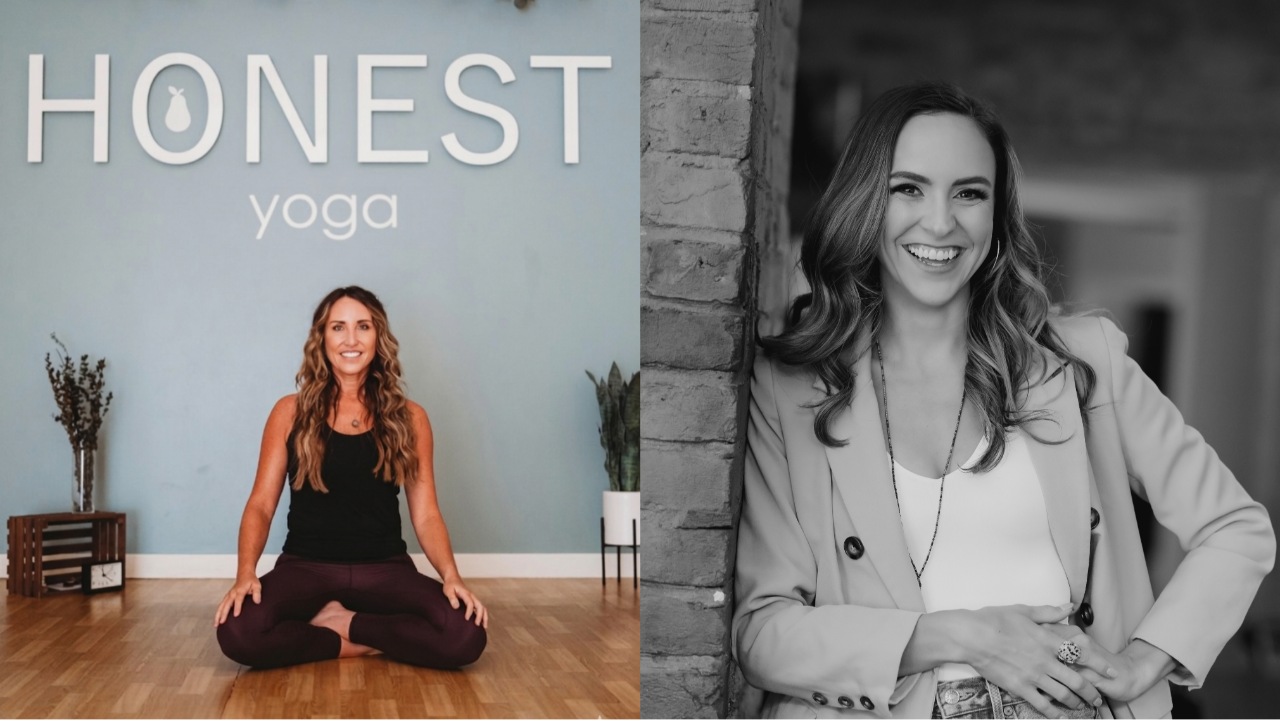
Nicole has owned studios for 11 years. She opened her first—Live True Yoga—in 2015 in a town of 30,000 people with no business experience, two toddlers at home, and $900 a month in rent. She taught 18 classes a week to keep overhead down. She expanded into the space next door 18 months in. She franchised during a pandemic. She dissolved the franchise. She rebranded as Honest Yoga and kept going.
And then she hit a wall.
"My business was totally running me," Nicole told me. "I couldn't get off the hamster wheel. I didn't have systems. I didn't have processes. And I was starting to feel resentful—of payroll, of the lease, of all of it."
Here's the deal: what Nicole was experiencing isn't a character flaw. It's not a sign you picked the wrong industry or that you're not cut out for this. It's what happens when you've been operating in fight-or-flight for years with no off switch and no support. It was happening to her. It's happening to more studio owners right now than you'd think.
And she almost walked away from it all.
The Question That Changed Everything
Before Nicole could talk business strategy, we had to talk about something else first.
I asked her: When was the last time you took a full week off with your out-of-office on?
She couldn't answer it.
That's not unusual. A lot of studio owners can't. They've built businesses that require their constant presence because they never built the systems that would give them permission to leave. So every decision runs through them. Every sub request, every scheduling issue, every marketing campaign. The business doesn't run without them—and that feels like loyalty. It's not. It's a trap.
Here's what I want you to know: you cannot make a clear decision about your studio's future from that place. You can't accurately assess whether you want to sell, pivot, or go all in when you're running on empty and haven't disconnected in years. That's not strategy—that's survival mode making permanent decisions.
So before anything else, that's the first step. Get some space. Then evaluate.
What Happens When You Finally Get Support
Nicole joined the Grow Mastermind in spring 2025—and by her own description, she came in with her shoulders hanging.
"I just wasn't sure if I was in this anymore," she said. "I kept showing up to the calls but I was just... in a hole."
What shifted wasn't one coaching call or one strategy. It was two things happening at the same time: mindset work and community.
On the mindset side, Nicole started to realize she'd been looking for safety outside of herself. Sell the studio, then feel peace. Walk away from the responsibility, then feel free. But that's not how it works—and deep down, she knew it. When she actually sat with the idea of selling, really sat with it, her chest got tight. That wasn't relief. That was loss.
On the community side, she started watching what other studio owners in the room were doing. One of them—Marissa—ran a campaign that brought in a wave of new members at once. Nicole watched it happen and thought: I want that.
So she built it.
50 New Members in One Week
Nicole ran a 5th anniversary campaign for Honest Yoga. Free classes all week. Real marketing, consistently executed, with a clear offer at the end.
She brought in 50 new unlimited members.
I want you to sit with that number for a second—because for most studio owners, it sounds impossible. It's not. But it does require a few things that a lot of owners skip: a real promotional strategy, a compelling offer, consistent execution, and the willingness to actually sell.
What made this campaign work wasn't magic. It was the fact that Nicole stopped being reactive and started being intentional. She knew what she was doing, why she was doing it, and what success looked like. And because of that, she followed through.
Those members stayed. They weren't just freebie-seekers. They were people who experienced the studio during that week and committed. That's what happens when your marketing actually matches the quality of what you're delivering.
Since then, attendance is up 41%. Year-over-year revenue is up 55%.
The Real Foundation Under All of It
Here's what I realized after talking with Nicole—and I've seen this pattern with hundreds of studio owners now.
The marketing, the campaigns, the systems—none of it works at full capacity until the person running the studio feels safe enough to lead.
When you're in fight-or-flight, your marketing sounds desperate. Your sales conversations feel pushy. Your team can feel your anxiety and it bleeds into the culture. You make reactive decisions instead of strategic ones, and then wonder why nothing sticks.
But when you trust yourself? When you believe you can figure it out and keep showing up even when it's hard? Everything shifts. The content you put out feels different. The way you show up for your team feels different. The decisions you make feel different.
Nicole put it better than I could: "When I grow and when I'm in a healthier mindset—when I'm taking care of myself—my business reflects that."
That's not a mindset cliché. That's a business truth.
If You're in That Dark Place Right Now
Nicole asked me to make sure this part was in here—because she knows you're out there.
If you're reading this thinking that's me, that's exactly where I am—here's what I want you to do.
First: ask yourself the out-of-office question. When did you last truly disconnect for a week? If the answer is "I can't" or "I don't know," that's the first thing to fix. Not the marketing. Not the pricing. The ability to step away.
Second: don't make a permanent decision from a temporary state. Nicole was days away from listing her studio when she started to realize the problem wasn't the business—it was the way she was running it. Those are very different problems with very different solutions.
Third: get in a room with other studio owners who are doing the work. Not to compare yourself. Not to feel behind. To remember what's possible. Nicole watched Marissa run a big campaign, and it lit something up in her. That kind of peer accountability is something no solo strategy session can replicate.
You don't have to keep doing this alone.
Connect with Nicole
Nicole runs Honest Yoga in the Minneapolis area and also offers one-on-one performance-based breathwork coaching through her personal brand. She's also the author of Living Yoga Beyond the Mat, available on Amazon.
Visit her at www.thehonestyoga.com or www.nicolebyars.com.